Skip to content
DavaoCrocodile Park
The zoo section of Davao Crocodile Park

Inside the gate

What you actually see

A working crocodile farm first, a zoo second, and a cultural village next door. Here is the circuit, animal by animal, plus the shows worth timing your visit around.

The circuit

Six things people remember

Pangil
WorldTravleerAndPhotoTaker · CC BY-SA 4.0

The headliner

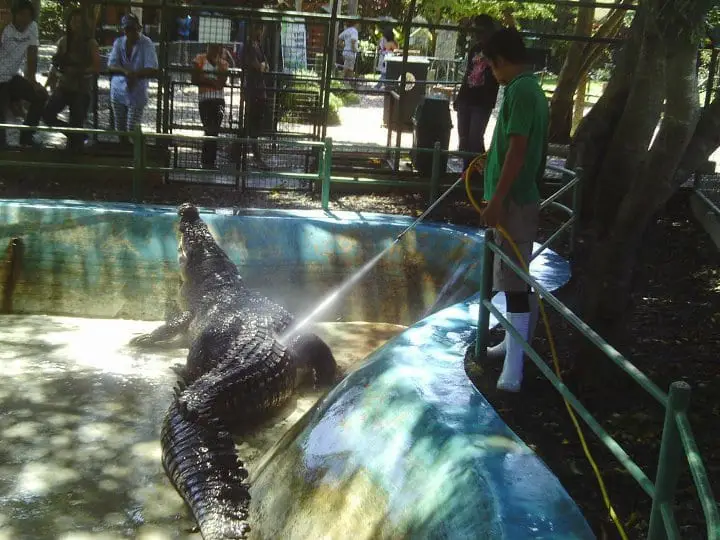
Pangil

A saltwater crocodile long billed as the largest ever held in the Philippines, kept in his own pool along the main circuit. He is also the reason the park’s afternoon presentation carries his name. Expect stillness: a full-grown saltie can hold the same position for hours, and the realistic chance of seeing him move is at a scheduled feeding.

The crocodile pens
Teemu Väisänen · CC BY-SA 4.0

The circuit

The crocodile pens

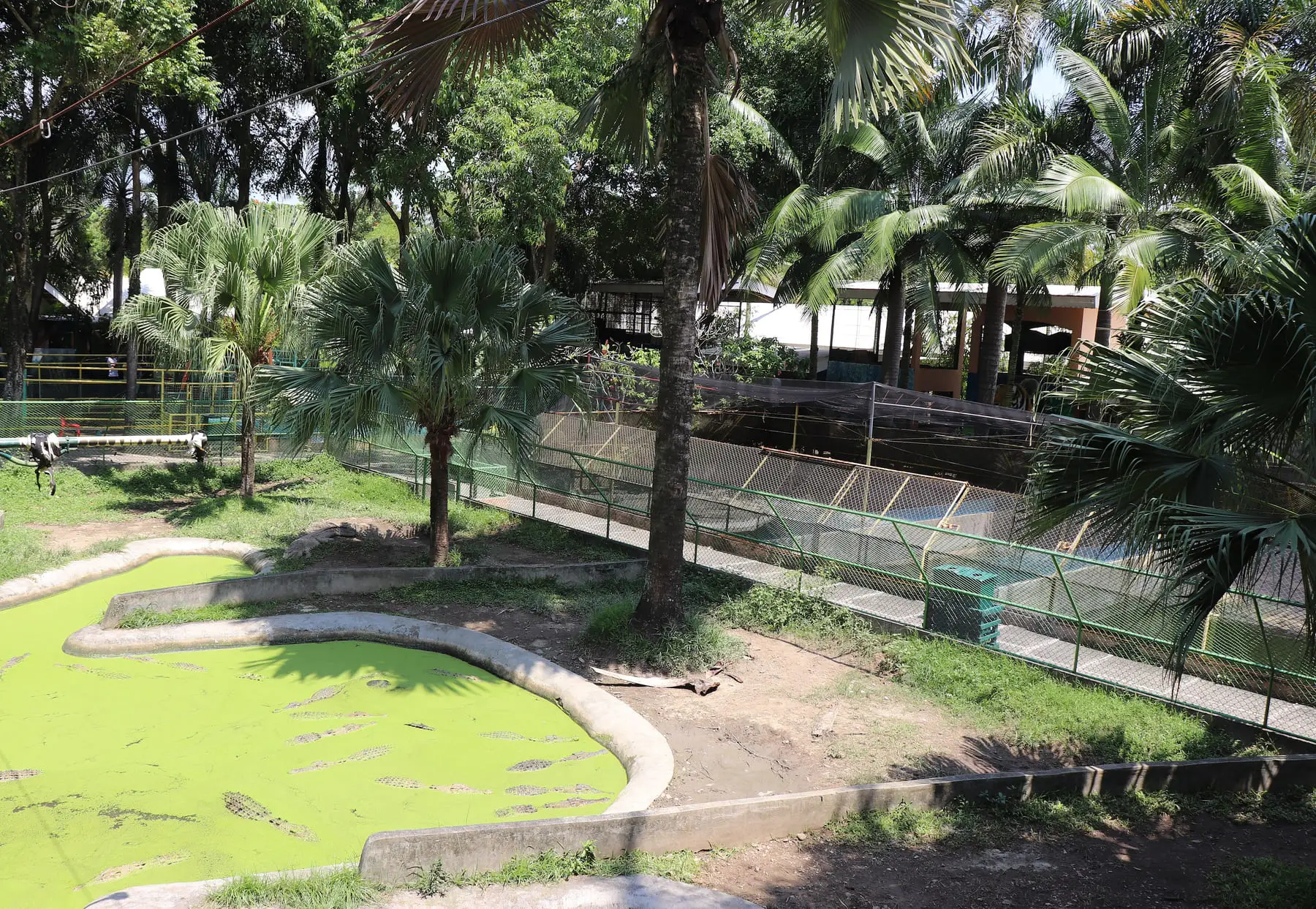
The walkway threads between breeding pens, grow-out ponds and viewing decks holding hundreds of animals at every size, from hatchlings in trays to twelve-footers lying jaw-to-tail in the shallows. This is a working crocodile farm as much as a zoo, and it does not hide that.

Sea eagles and kites
burgermac · CC BY 2.0

Raptors

Sea eagles and kites

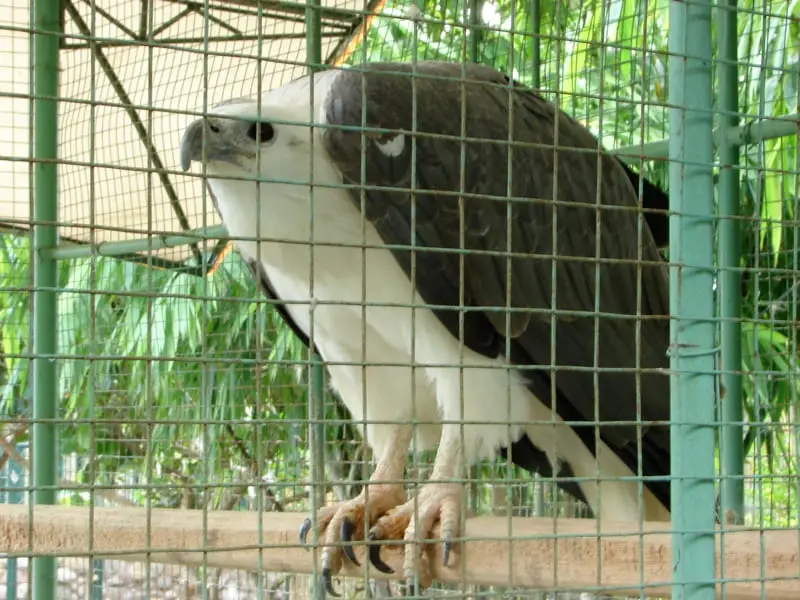
Open perches hold white-bellied sea eagles and brahminy kites — birds you would otherwise have to spot over a Mindanao coastline. They sit close enough for a proper look at the feet, which is the part most people have never seen at arm’s length.

The tiger yard
shankar s. from Dubai, united arab emirates · CC BY 2.0

Big cats

The tiger yard

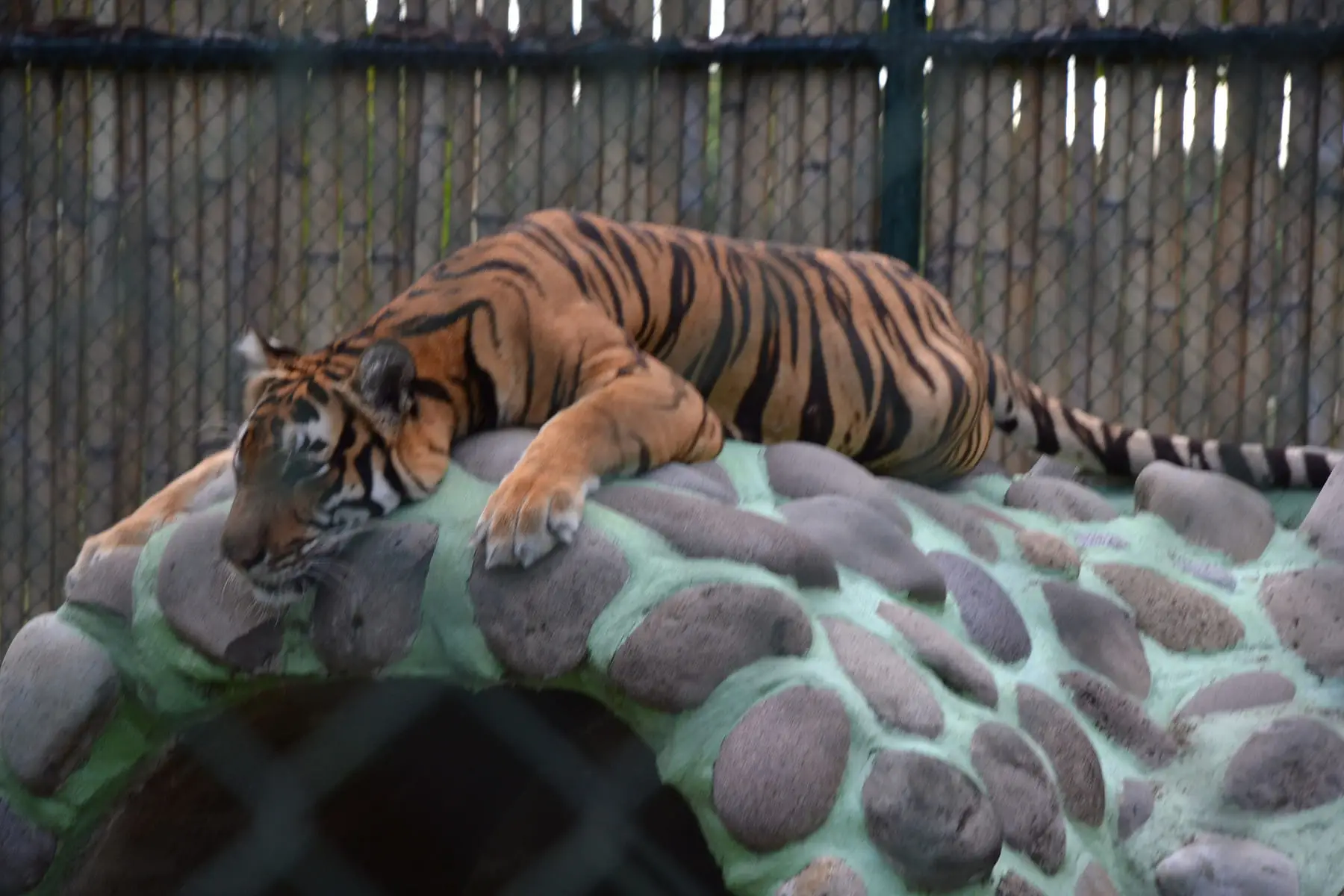
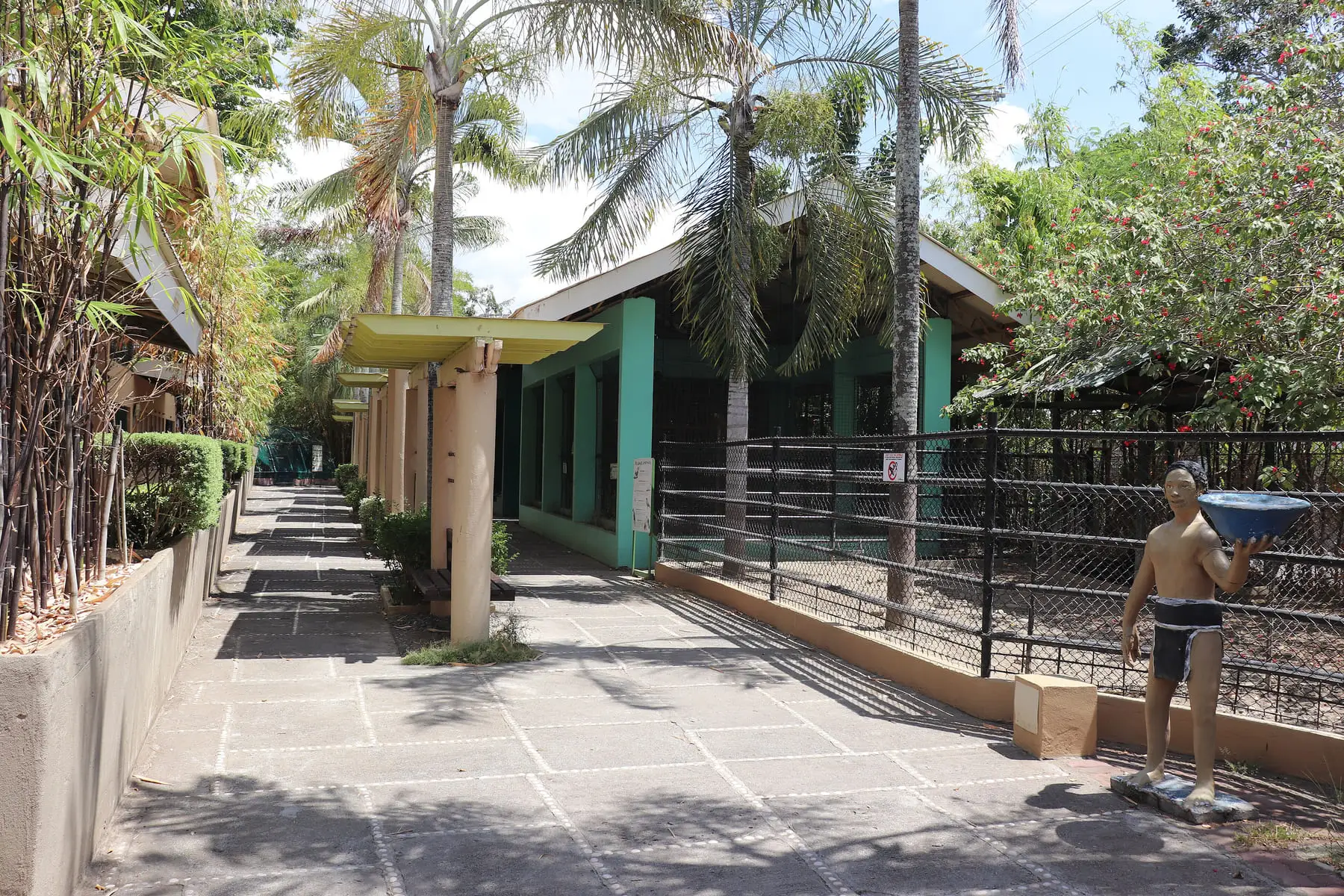
Tigers share the zoo side with the reptiles. Enclosures here are older and smaller than the standard modern zoos are held to, and visitor reviews say so plainly — worth knowing before you decide how you feel about this part of the visit.

Parrots and lories
shankar s. from Dubai, united arab emirates · CC BY 2.0

Colour

Parrots and lories

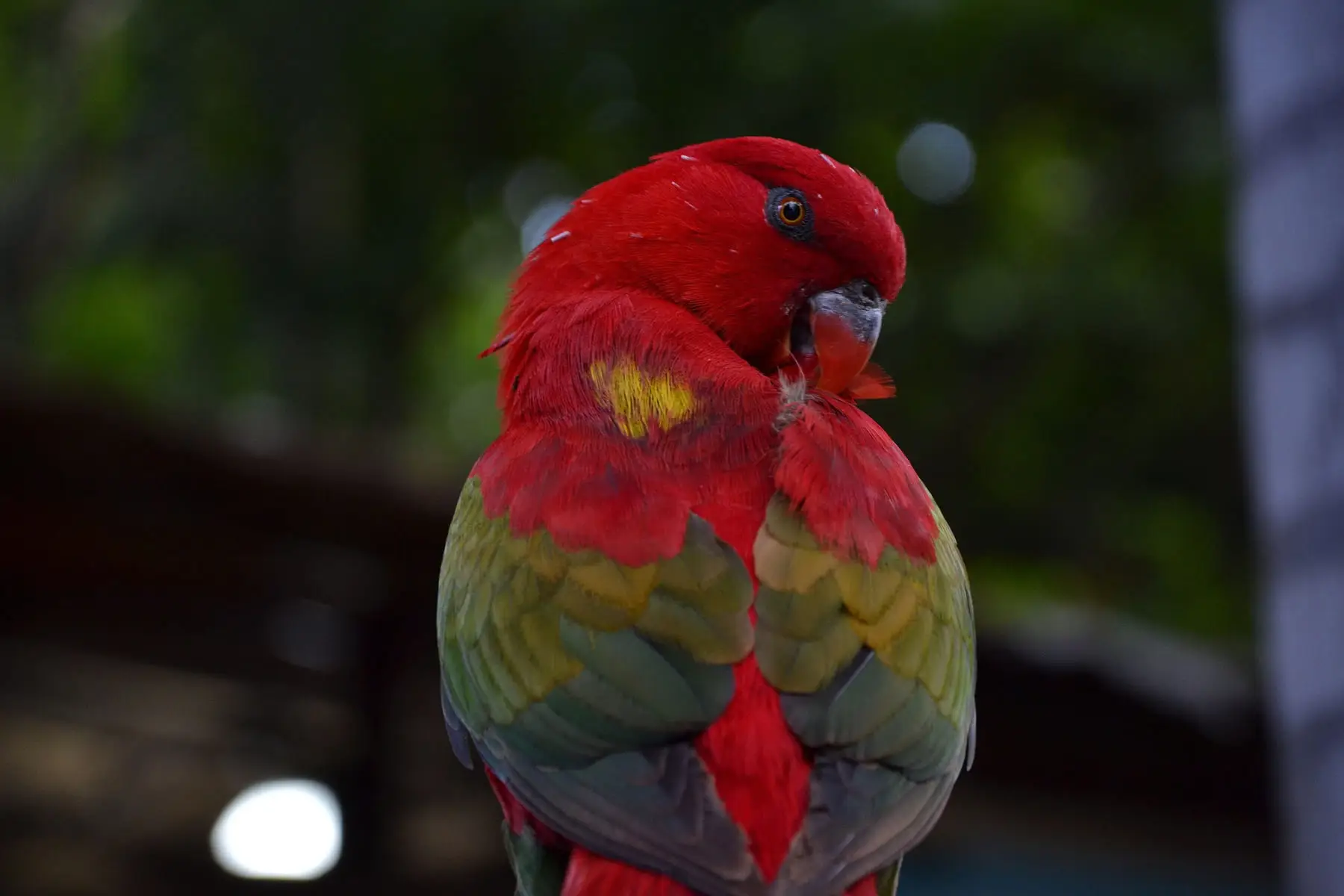
Eclectus parrots on open stumps and chattering lories in the aviary give the park its loudest few minutes. The birds are habituated to people and the handlers will usually let you get close for a photo.

Boktot’s skeleton
shankar s. from Poona (pune), India, India · CC BY 2.0

At the gate

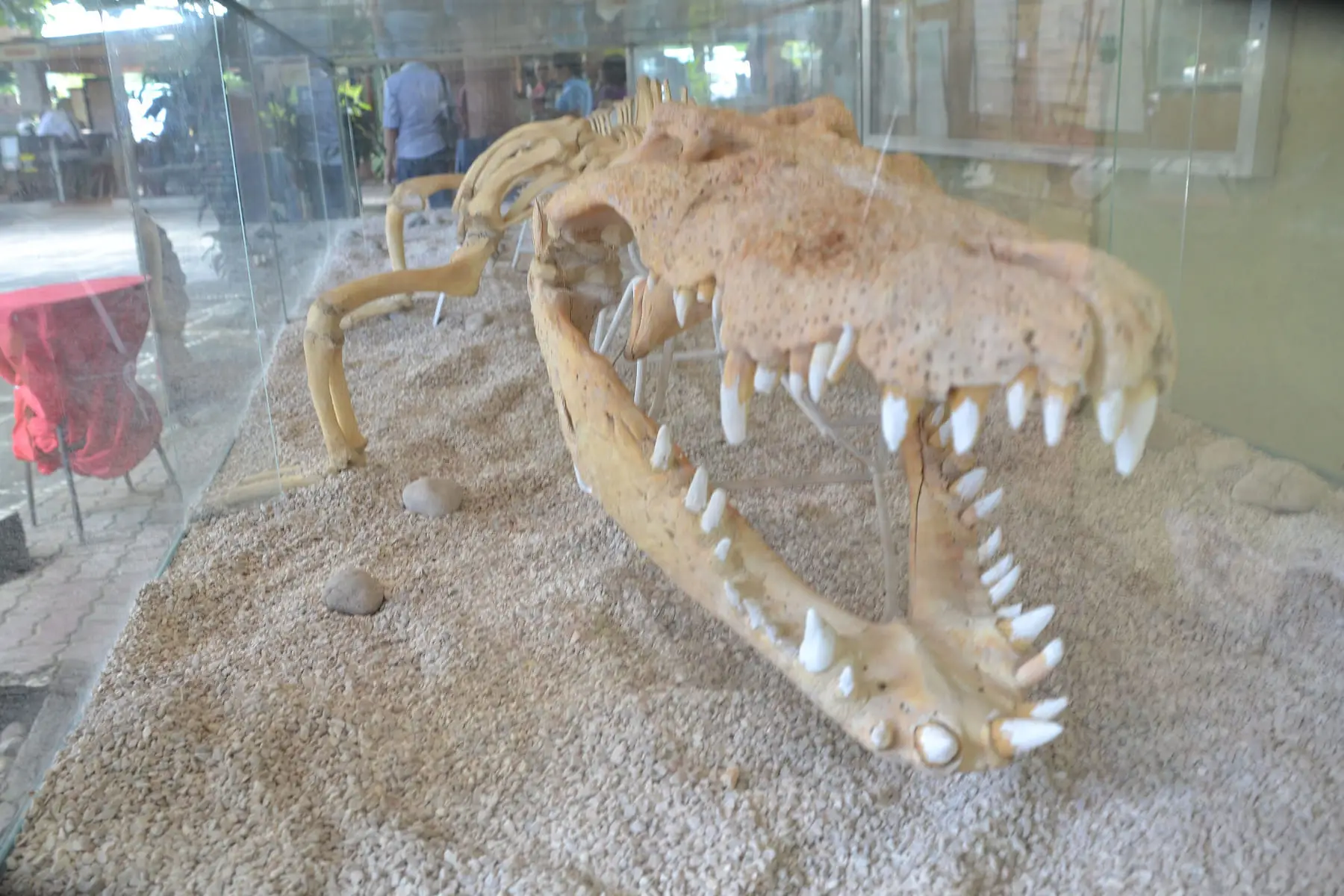
Boktot’s skeleton

A full mounted skeleton of a fourteen-foot Indo-Pacific crocodile greets you near the entrance. It is the clearest lesson in the whole park: this is what the animal in the water beside you is actually built like.

Shows

Time your visit around these

Schedules are posted at the gate each morning and shift with the season and the size of the day's crowd. Nothing below is a guarantee — treat it as the shape of a normal day.

Wildlife & feeding presentation

Usually twice daily — late morning and mid-to-late afternoon

The keepers work the crocodile pens and bring out handleable animals. This is the only reliable window in which you will see a large crocodile move with intent, and it is the single most-recommended thing to time your visit around.

Tribu K’Mindanawan cultural show

Evenings, generally Fridays and weekends

The cultural village next door stages ethnic dance and drama from across Mindanao in full costume, closing with the fire dance the complex is known for. Performances run roughly a quarter of an hour to half an hour.

Butterfly house

Open through the day

A walk-through enclosure normally covered by the standard gate ticket. Quiet, shaded, and the best five minutes of relief on a hot circuit.

On the ground

Five rules that matter

  • 01Stay behind every barrier at the crocodile pens. A saltwater crocodile can cover its own body length faster than you can step back.
  • 02Do not feed anything except at a staffed feeding station, with staff handing you the food.
  • 03Flash photography into enclosures stresses the animals and the glass reflects it straight back at you anyway.
  • 04Hats, water and sunscreen. Much of the circuit is open and the humidity does the rest.
  • 05Closed shoes. The walkways get wet around the pens.